


Intermittent fasting has become one of the most talked-about health trends in recent years — and for good reason. From celebrities to doctors and wellness experts, many people swear by its ability to improve energy levels, support weight loss, and simplify eating habits.
But if you’re new to the concept, it can feel confusing at first.
Skipping meals on purpose? Eating within a “window”? Not eating breakfast?
Don’t worry — intermittent fasting doesn’t have to be extreme or complicated. This beginner-friendly guide will explain what intermittent fasting is, how it works, its benefits, and how to start safely, all backed by science.
What Is Intermittent Fasting?
Intermittent fasting (IF) is not a diet, but an eating pattern. Instead of focusing on what you eat, it focuses on when you eat.
It involves alternating between:
- periods of eating
- periods of fasting (not consuming calories)
Humans have practiced fasting for thousands of years — long before modern food availability. According to research published in The New England Journal of Medicine, intermittent fasting may improve metabolism, reduce inflammation, and support overall health.
In simple terms: your body gets a break from constant digestion.
How Does Intermittent Fasting Work?
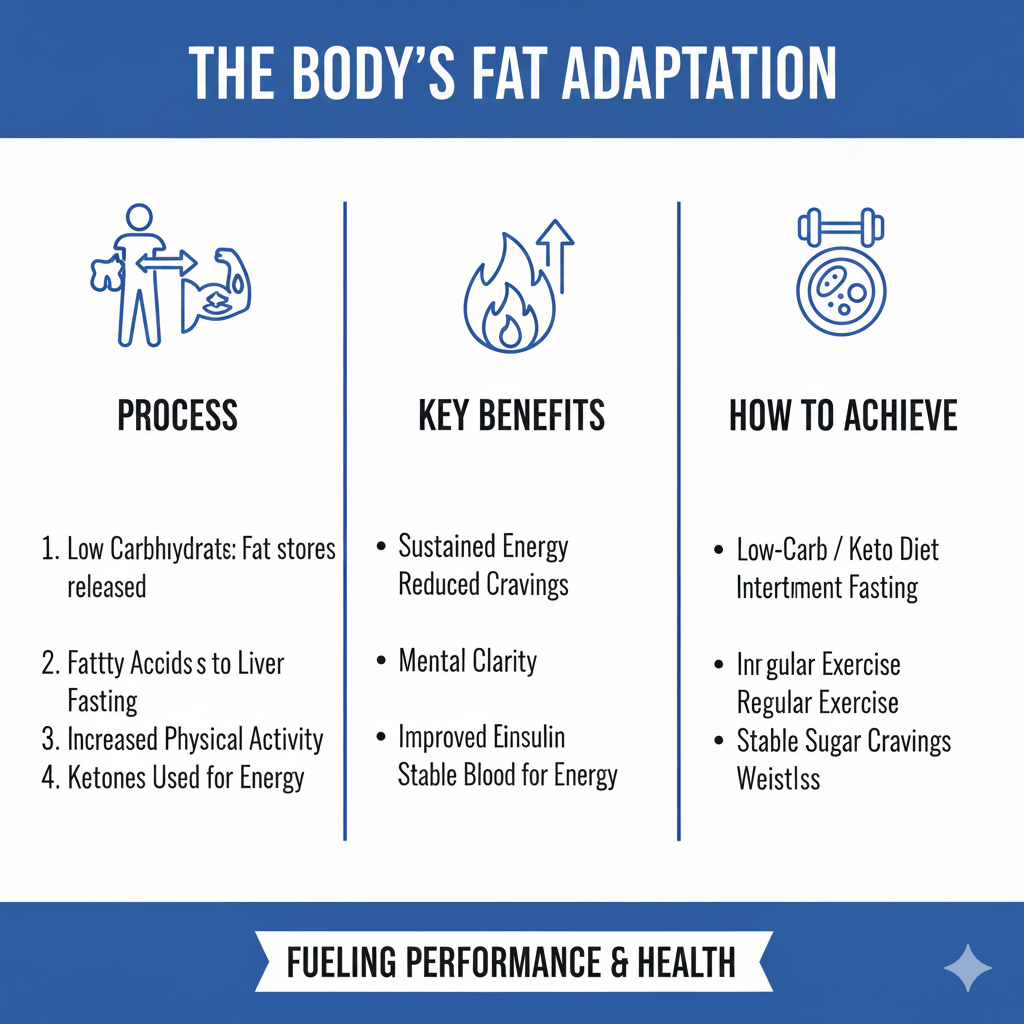
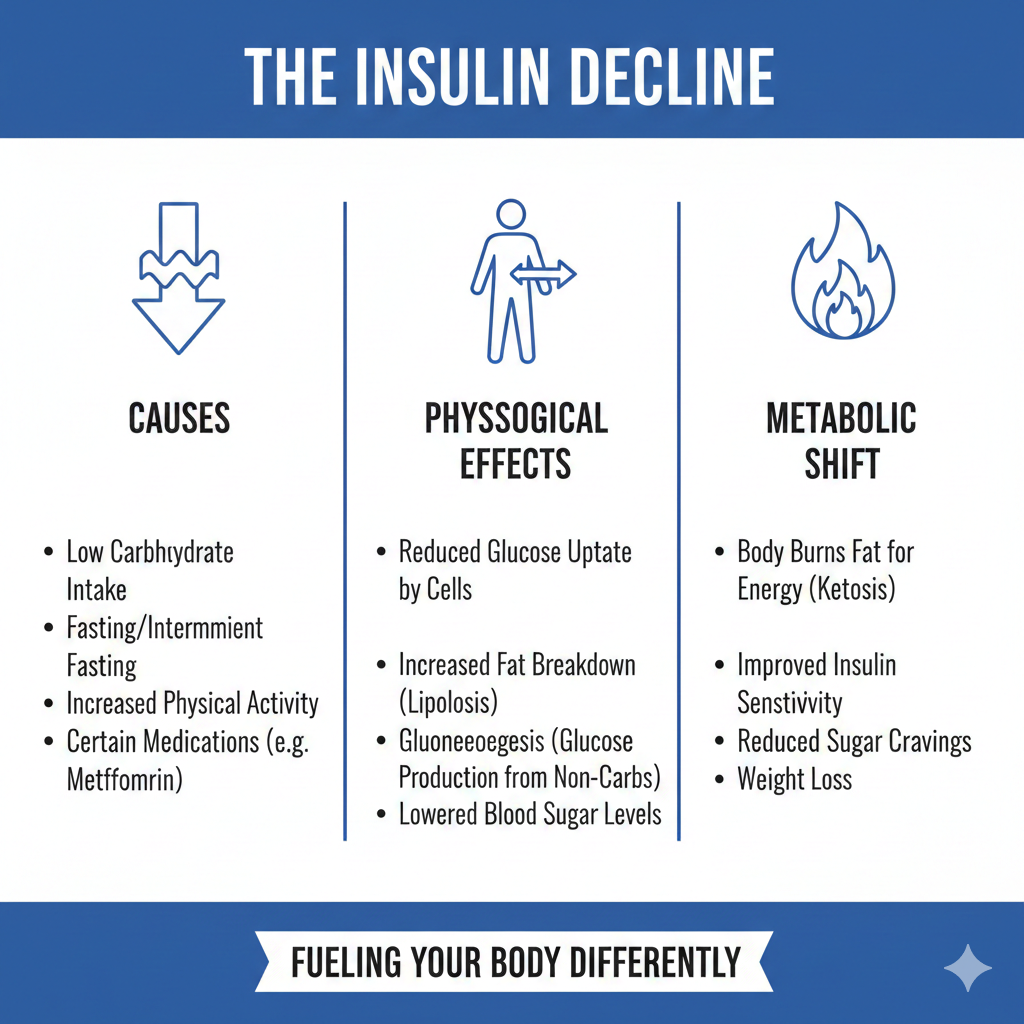
When you eat frequently, your body runs mostly on glucose (sugar) from food.
During fasting periods, insulin levels drop, allowing your body to switch into fat-burning mode.
This process triggers:
- fat breakdown
- cellular repair (autophagy)
- improved insulin sensitivity
Dr. Mark Mattson, a neuroscientist at Johns Hopkins University, explains that fasting allows the body to “reset” and function more efficiently.
Popular Intermittent Fasting Methods for Beginners
If you’re just starting, simplicity is key. Here are the most beginner-friendly methods:
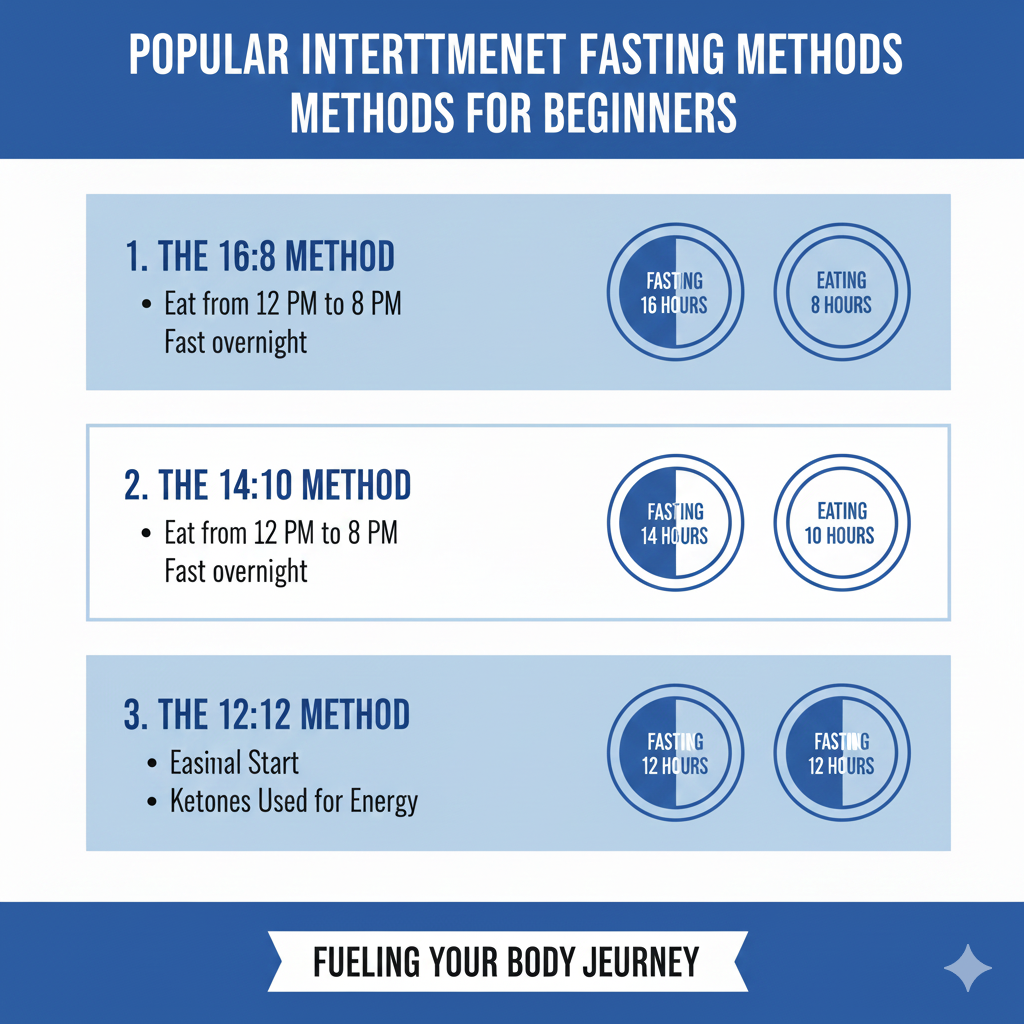
🔹 1. The 16:8 Method (Most Popular)
- Fast for 16 hours
- Eat within an 8-hour window
Example:
Eat from 12 PM to 8 PM, fast overnight.
This method is flexible, sustainable, and ideal for beginners.
🔹 2. The 14:10 Method (Easier Start)
- Fast for 14 hours
- Eat within 10 hours
Great if 16 hours feels too intense at first.
🔹 3. The 12:12 Method (Gentle Transition)
- Fast for 12 hours
- Eat within 12 hours
This is perfect for beginners who want a soft introduction.
Benefits of Intermittent Fasting
When done correctly, intermittent fasting may offer several benefits:
✔ Weight Loss & Fat Burning
By reducing insulin levels, the body accesses stored fat more easily.
✔ Improved Metabolism
Studies show IF can improve insulin sensitivity and metabolic flexibility.
✔ Mental Clarity & Focus
Many people report sharper focus during fasting hours due to stable blood sugar levels.
✔ Cellular Repair & Longevity
Fasting activates autophagy — a natural cellular cleanup process linked to longevity.
✔ Simpler Eating Routine
Fewer meals often mean less mindless snacking and better food awareness.
What Can You Eat During Intermittent Fasting?
During fasting periods, you should avoid calories. However, you can consume:
- water
- black coffee
- herbal tea
- plain tea (no sugar or milk)
During eating windows, focus on:
- whole foods
- lean proteins
- healthy fats
- vegetables
- complex carbohydrates
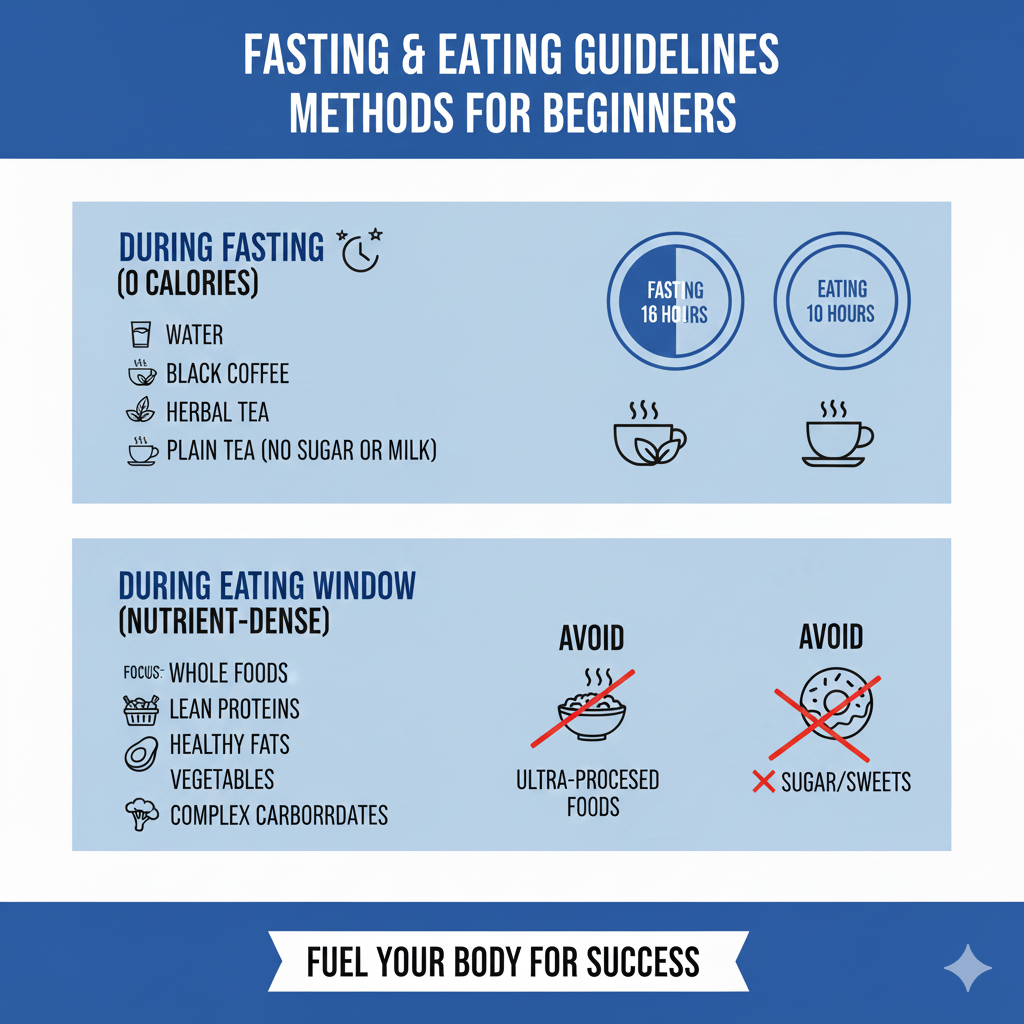
Intermittent fasting works best when paired with nutrient-dense meals, not ultra-processed foods.
⚠️ Common Beginner Mistakes to Avoid
Starting intermittent fasting incorrectly can lead to fatigue or frustration. Avoid these mistakes:
- overeating during eating windows
- relying on junk food
- not drinking enough water
- fasting too aggressively too soon
- ignoring sleep and stress levels
Remember: fasting is a tool, not a punishment.
Who Should Be Careful With Intermittent Fasting?
Intermittent fasting is generally safe, but it may not be suitable for everyone.
Consult a healthcare professional if you:
- are pregnant or breastfeeding
- have a history of eating disorders
- have diabetes or blood sugar issues
- take medication that requires food
Listening to your body is essential.
Final Thoughts
Intermittent fasting for beginners doesn’t need to be extreme, complicated, or stressful. When approached gently and consistently, it can become a powerful lifestyle habit that supports weight loss, mental clarity, and long-term vitality.
Start small.
Stay consistent.
Focus on progress — not perfection.
Your body is designed to adapt. Give it time.
Yes, when started gradually and done properly, intermittent fasting is safe for most healthy adults.
Yes, black coffee is allowed. Avoid sugar, cream, or flavored additives.
Some people notice changes in energy and appetite within a week, while weight loss may take a few weeks.
No. Research shows intermittent fasting may actually improve metabolic health when done correctly.
Exercise is optional but beneficial. Light workouts or strength training work well with fasting.